Why Physical Therapy?
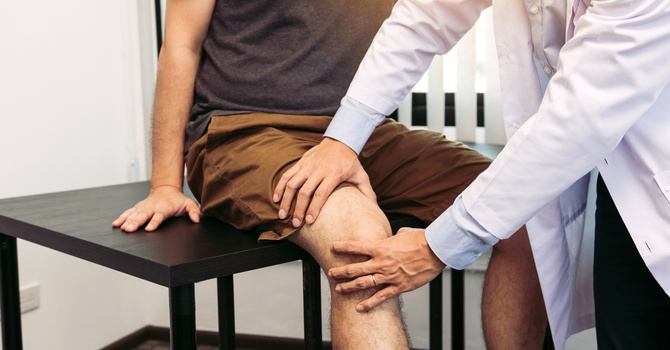
There comes a point in all of our lives in which we get an injury. That injury could be a simple muscle strain or a ligament sprain such as rolling an ankle; or the injury could be a sudden and sharp pain when lifting something heavy in your back and subsequent numbness and tingling down one leg or both legs; or an individual has had pain from arthritis for years in their hip or knee or shoulder that is not yet surgical; or a motor vehicle accident; or even an operation for various joints or tendons. In these instances, Physical Therapy is very beneficial.
How so? Your Physical Therapists (PT) here at the SHOP have doctorate level education with the sole purpose of understanding orthopedic and neurological conditions for the purpose of triage. Triage is the ability to weed out what is appropriate and what is not appropriate for Physical Therapy. After a basic interview and screening, if the PT objectively sees that the problem can be solved with PT, then they would recommend a plan of care for Physical Therapy. However, there are incidents when the PT may consider further evaluation and will appropriately recommend an MD for that evaluation.
Physical Therapy is about function, not about pain. Most of us have pain and it depends on how much that pain interferes with your ability to do something either around the house, at work, or for fun. Your ability to do things on a day to day basis is your Activities of Daily Living (ADLs). Physical Therapy is concerned about your ability to perform those functions. Function is key. Though you have pain, but you have full function to do things, your best option is to see your local PT for exercises for a Home Exercise Program (HEP) and allow those exercises to heal the body naturally. Natural healing takes time to correct the faults and improve strength and stability. When there is a loss of function and pain, then Physical Therapy aims to improve both the pain levels and most importantly the functional levels to get you back to normal. Physical Therapy is not a quick fix and never has been.
A simple equation: Functional loss = Physical Therapy.
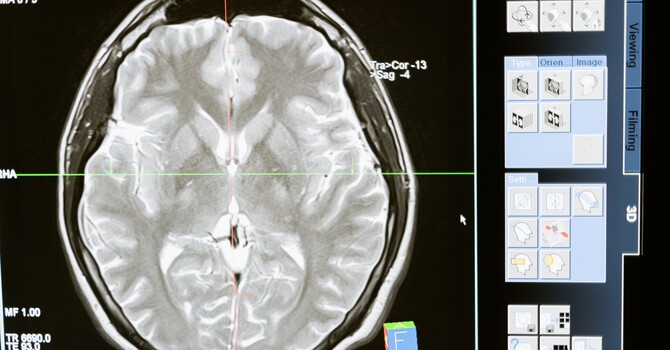
What about one of the most common ailments: back pain – sciatica, disc herniation, disc bulges, stenosis, non-specific low back pain? The short answer is it depends whether or not Physical Therapy will be beneficial. The initial understanding is that most of us have similar injuries and it just depends on whether or not those injuries are hitting something important. Most often times in these cases, imaging has been performed by your primary care or orthopedic/neurological surgeon. Some instances with significant disc disruption or significant blockage or compression of the various pathways in the spine for the nerves, Physical Therapy will likely struggle with improving your overall function. Again, everything depends on something. Other instances such as a slipped disc that just occurred and is considered fresh or “acute,” Physical Therapy is very beneficial using principles of biomechanics to help return the disc to its original position. A cursory look at the research concerning the common ailments of the lower back:
Dove at al (2022) noted a lot of variation and issues with research for sciatica: “Based on currently available, mostly high risk of bias and highly heterogeneous data, there is inadequate evidence to make clinical recommendations on the effectiveness of physiotherapy interventions for people with clinically diagnosed sciatica. Future studies should aim to reduce clinical heterogeneity and to use contemporary physiotherapy interventions.”
For disc herniations, Gugliota el al (2016) noted: “Compared with conservative therapy, surgical treatment provided faster relief from back pain symptoms in patients with lumbar disc herniation, but did not show a benefit over conservative treatment in midterm and long-term follow-up.”
Minetam el al (2022) reported in regards to spinal stenosis: “When baseline characteristics were considered, supervised physical therapy yielded similar effects to lumbar surgery. These results suggest that supervised physical therapy is preferred over surgery as first-choice treatment, to prevent complications and to minimize health care costs, especially in mild to moderate cases of lumbar spine stenosis.”
Yet, you can also find data and research which contradicts the above statements. Welcome to the world of science and research. There are a lot of factors to consider with low back pain. Here at The SHOP we are very effective at treating low back pain properly with a mix of exercise, manual therapy, and functional dry needling.
In short, Physical Therapy is about returning patients back to function that they have lost due to an injury. If pain is the only focus, you have lost the battle with the brain and you will only seek medical and holistic interventions that decrease your pain whether they are good or bad for the body overall. The quick fix may not be the correct solution. A holistic solution takes 12+ weeks. Finding the natural solution will have an overall positive response in healing an injury. Come see us at the SHOP and let’s have a talk!
-Dr. Dan Coupe, PT, DPT
References
Dove L, Jones G, Kelsey LA, Cairns MC, Schmid AB. How effective are physiotherapy interventions in treating people with sciatica? A systematic review and meta-analysis. Eur Spine J. 2023 Feb;32(2):517-533. doi: 10.1007/s00586-022-07356-y. Epub 2022 Dec 29. PMID: 36580149; PMCID: PMC9925551.
Gugliotta M, da Costa BR, Dabis E, Theiler R, Jüni P, Reichenbach S, Landolt H, Hasler P. Surgical versus conservative treatment for lumbar disc herniation: a prospective cohort study. BMJ Open. 2016 Dec 21;6(12):e012938. doi: 10.1136/bmjopen-2016-012938. PMID: 28003290; PMCID: PMC5223716.
Minetama M, Kawakami M, Teraguchi M, Enyo Y, Nakagawa M, Yamamoto Y, Matsuo S, Nakatani T, Sakon N, Nakagawa Y. Supervised physical therapy versus surgery for patients with lumbar spinal stenosis: a propensity score-matched analysis. BMC Musculoskelet Disord. 2022 Jul 11;23(1):658. doi: 10.1186/s12891-022-05632-y. PMID: 35820887; PMCID: PMC9275154.