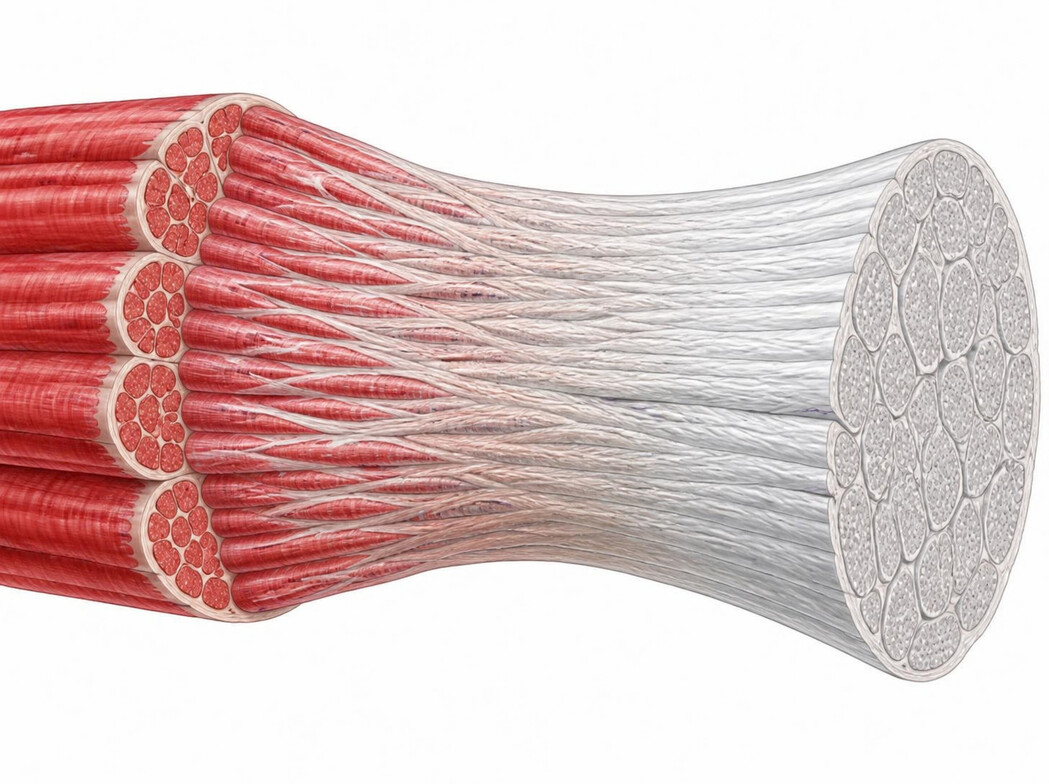
Tendons help us to move. For The SHOP, tendons STEER your body. They transmit force. They are powerful.
A recently published study on 9/16/26, Pathological Mechanisms of Tendinopathy Pain: From Mechanical Overload to Neuroimmune-Vascular Crosstalk, by He et al. reported some interesting findings concerning how pain is perceived and possibly works when related to an irritated tendon. The study consisted of a literature search that also included animal, in vitro, and non-tendon studies (1).
When we examine tendon pain, the typical terminology is an “-itis” (acute inflammation) or an “-osis” (chronic inflammation and structural changes). In traditional thinking, this terminology defines not only inflammation but damage. Damage and prolonged damage that causes the body to heal inappropriately. Yet, the tides are shifting. What research is starting to show is there can be pain without structural damage and vice versa, no pain with significant structural damage to the tendon (1). So, much like everything we discover as time progresses, nothing seems to be what it should be. Pain becomes move elusive to solve and all we have is theory to reply upon.
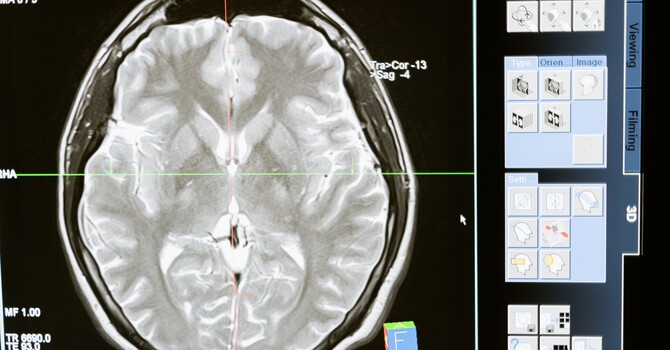
Generally, tendon pain demonstrates a specific pain pattern that is localized, point tender (tender to touch right at the pain spot), and load dependent functional impairment (restricted range of motion)(1). The process of tendon pain occurs from overload or overuse. Most common tendon injuries occur with a sudden increase in activity such as, during the summer months, starting a new exercise routine, trying new ways to exercise that you may not be familiar with, jumping more than usual, and even just starting a walking program. What do these activity highlight? Overuse and overload. For some reason, a dysfunctional tendon leads to failed healing processes and abnormal inflammation at the cellular level (2). This process leads to the tendon pathological cycle proposed by Gehwolf et al (2025), which further describes how the tendon further degrades, subsequently, altering the make-up of the tendon. The change in the tendon consists of inflammatory markers, neovascularization (blood vessel infiltration), and nerve in-growth (increased nerve tissue) (1). Ultimately, the tendon loses its ability to transfer loads or store energy (plyometrics). The more persistent the injury and pain, the greater likelihood that there are changes in how the brain processes information and how spinal sensitization amplifies pain signals. Nothing can be viewed as a direct relationship at this point.
He et al. (2026) conclude that tendinopathic pain cannot be viewed as just localized degeneration of a tendon, but encompasses a complex cascade of responses triggered by abnormal mechanical loading and driven by neurovascular and neuroimmune mediators. This process ultimately alters the metabolic function, metabolic reprogramming, and local immune microenvironment of the tissue (1).
Thus, our goal is to find the appropriate mechanical load to help the tendon tissue to determine its role in supporting our bodies and what we are trying to do on a daily basis or for fun. The load is force and weight needed to get the mechanical tendon tissue to respond healthily and determining and educating you on that load is where The SHOP can help with guiding tendon injuries in Springfield, MO. Book now or call us to get started.
Source:
1. He C, Li A, Liu Q, Xu M, You H, Li H. Pathological Mechanisms of Tendinopathy Pain: From Mechanical Overload to Neuroimmune-Vascular Crosstalk. Pain Res Manag. 2026;2026(1):e1712265. doi:10.1155/prm/1712265
2. D'Addona A, Maffulli N, Formisano S, Rosa D. Inflammation in tendinopathy. Surgeon. 2017;15(5):297-302. doi:10.1016/j.surge.2017.04.004
3. Gehwolf R, Tempfer H, Cesur NP, Wagner A, Traweger A, Lehner C. Tendinopathy: The Interplay between Mechanical Stress, Inflammation, and Vascularity. Adv Sci (Weinh). 2025;12(36):e06440. doi:10.1002/advs.202506440