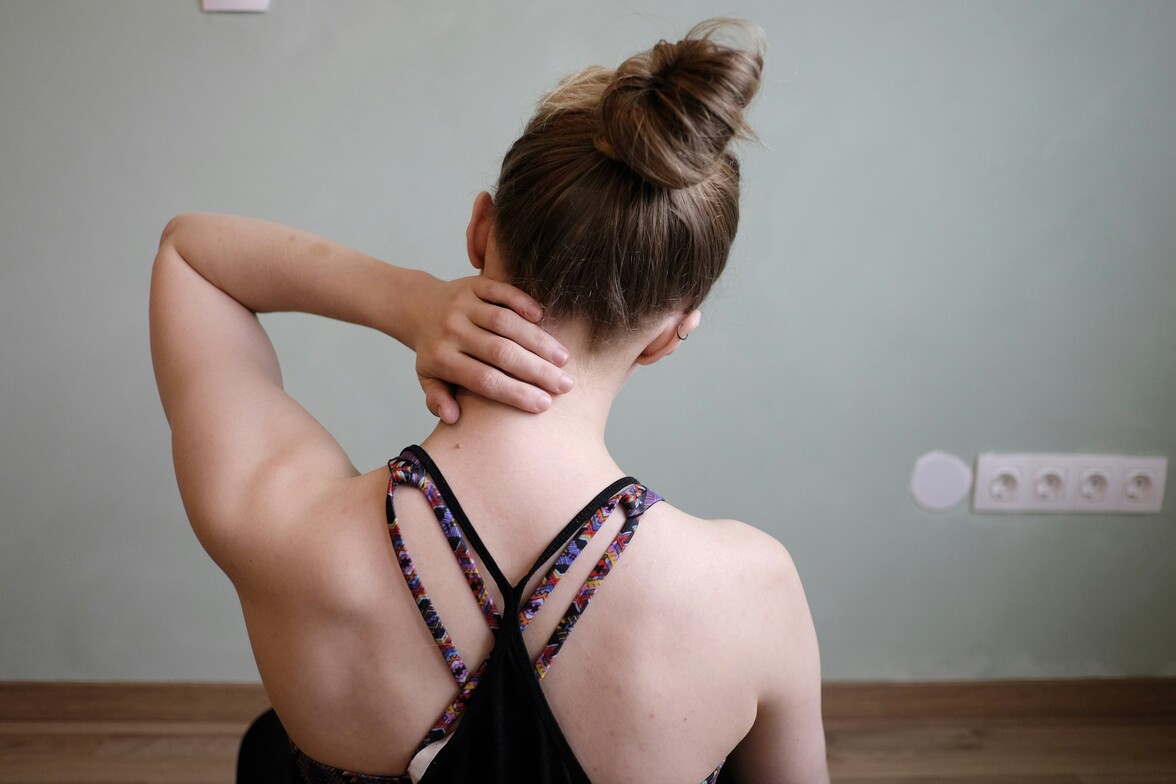
Numerous studies have shown that physical therapy is uniquely suited to treat headaches, especially headaches of neck origin. The term for headaches caused by the neck is cervicogenic. Cervicogenic headache is defined as a “headache caused by a disorder of the cervical spine and its component bony, disc, and/or soft tissue elements, usually but not invariably accompanied by neck pain,” according to The International Classification of Headache (2). As physical therapists, we are always looking for the most up-to-date information on treatment and protocols to get patients better. A recent study by Dunning et al. (2026) sought to quantify factors that would lead to successful treatment for cervicogenic headaches.
In this study, 142 patients received spinal manipulation, dry needling, and exercise (1). The Numeric Pain Rating Scale (0-10) was used to determine headache intensity (1). The study evaluated 10 variables: 1) age, 2) sex, 3) body mass index, 4) duration of headache symptoms, 5) baseline headache intensity, 6) baseline headache frequency, 7) baseline headache duration, 8) baseline medication intake, 9) baseline neck disability, and 10) number of completed treatment sessions (1). Only two variables determined success, 1) sex (male), and 2) baseline headache intensity (1). All other factors did not help to predict outcome from treatment.
Males who had cervicogenic headaches “were almost 4 times more likely to achieve a successful outcome at 3 months than females” (1). For this analysis, males only represented 23.2% (33 out of 142 subjects). The authors highlight Jull and Stanton (2005) and Fleming et al. (2007) to help understanding why the results of male subjects is unexpected. Jull and Stanton (2005) found a a one year follow-up, females had a greater chance of a successful treatment following manual therapy and exercise with up to 80-100% reduction in headache frequency. However, in contrast to recent studies, Fleming et al. (2007) discovered “sex was not a predictor of success for headache pain, frequency, or function.” This disparity maybe due to the multifactorial nature of headaches to include biopsychosocial factors and treatment preferences (1). Not much was stated concerning baseline headache intensity; however, Dunning et al. (2026) confirm that the higher the baseline value for pain, the improved the response to spinal manipulation, dry needling, and exercise. This concept continues to align with the findings by Jull and Stanton (2005) and Fleming et al. (2007).
At The SHOP we are uniquely suited to treat cervicogenic headaches with the techniques used in the study above. Quite simply, we have been trained both in spinal manipulation therapy and dry needling from the American Academy of Manipulative Therapy (AAMT), which is represented by the authors of the above study.
Come see us to address your cervicogenic or headaches of neck origin in Springfield, MO, and notice the difference on Day 1.
Sources:
1. Dunning J, Young I, Prall J, et al. Predictors of response to spinal manipulative therapy, dry needling and exercise in patients with cervicogenic headache. Musculoskelet Sci Pract. Published online September 15, 2026. doi:10.1016/j.msksp.2026.103662
2. Ihsclassification. 11.2.1 Cervicogenic headache. ICHD-3 The International Classification of Headache Disorders 3rd edition. Accessed September 27, 2026. https://ichd-3.org/11-headache-or-facial-pain-attributed-to-disorder-of-the-cranium-neck-eyes-ears-nose-sinuses-teeth-mouth-or-other-facial-or-cervical-structure/11-2-headache-attributed-to-disorder-of-the-neck/11-2-1-cervicogenic-headache/
3. Jull GA, Stanton WR. Predictors of responsiveness to physiotherapy management of cervicogenic headache. Cephalalgia. 2005;25(2):101-108. doi:10.1111/j.1468-2982.2004.00811.x
4. Fleming R, Forsythe S, Cook C. Influential variables associated with outcomes in patients with cervicogenic headache. J Man Manip Ther. 2007;15(3):155-164. doi:10.1179/106698107790819846